Portfolio
Explore our work across immersive experiences, AI, rendering, and more
Reachy Mini × dimOS Mobile Robot
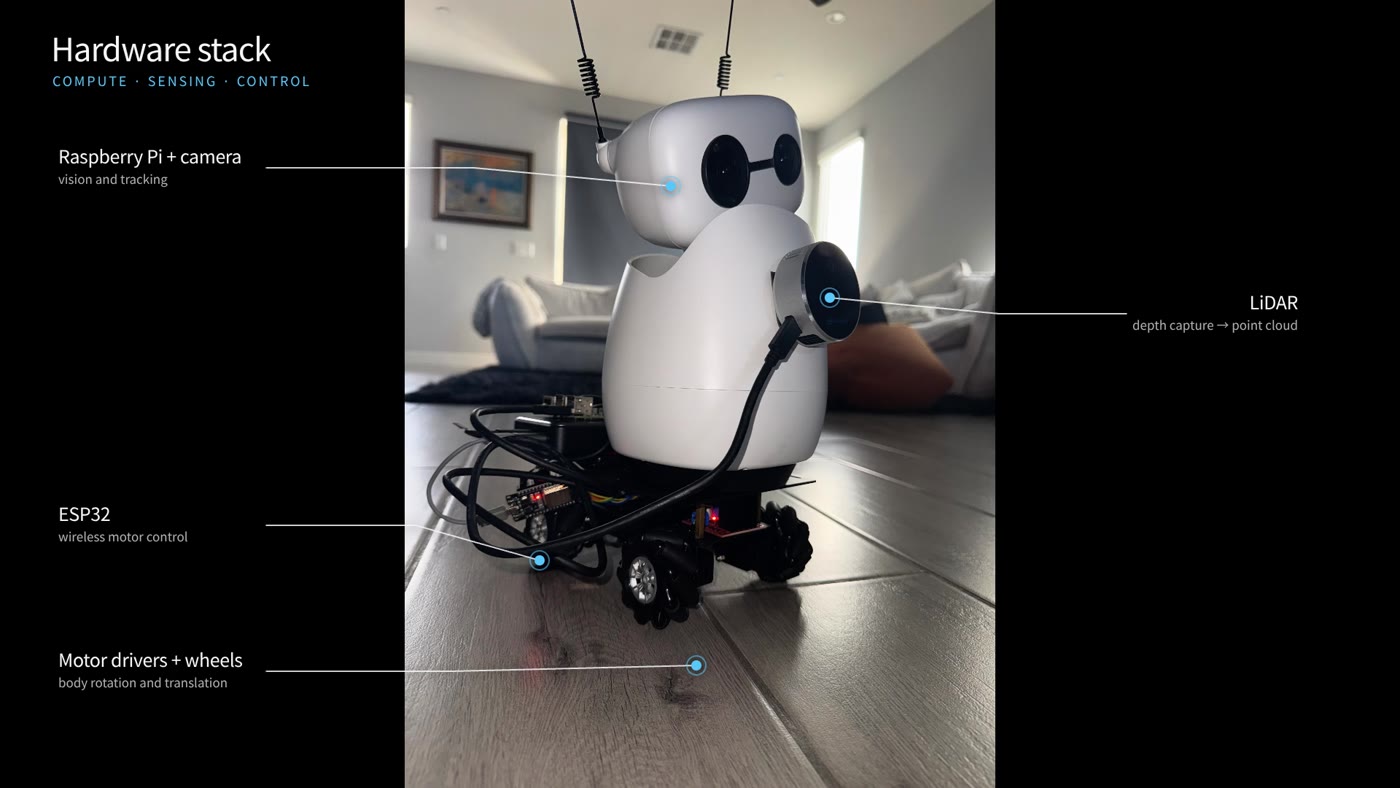
Our modified Reachy Mini on a DIY mecanum base, building a persistent 3D map with object memory in Dimensional's dimOS — open hardware, open code.
Reachy Mini has one mono RGB camera in its head and no way to move, so we built it a DIY mecanum base (ESP32, 2× L298N, four TT motors, a small HTTP API and a hardware deadman) and added an Intel RealSense L515 LiDAR depth camera served by a Raspberry Pi 3B+. A station — an Apple-silicon Mac or our NVIDIA DGX Spark — estimates metric depth from the head camera (DepthPro / Depth-Anything-3) and streams RGB-D and head pose into Dimensional's dimOS, through our fork that extends its ObjectDB, to build a persistent 3D map with object memory, visualized in Rerun. On our modified Reachy Mini, the robot moves by following a person (a detector, a tracker and a control law steering head gaze and wheels) and by voice command; dimOS A* path planning runs in dry-run. We've also bridged VITURE AR glasses into the same room map our dimOS pipeline builds, so a wearer can point and direct the robot's gaze. The full BOM, assembly guide, firmware and code are open source (MIT). By Alireza Bahremand and Don Balanzat.
Unity Robotics Sim & VLA Teleoperation
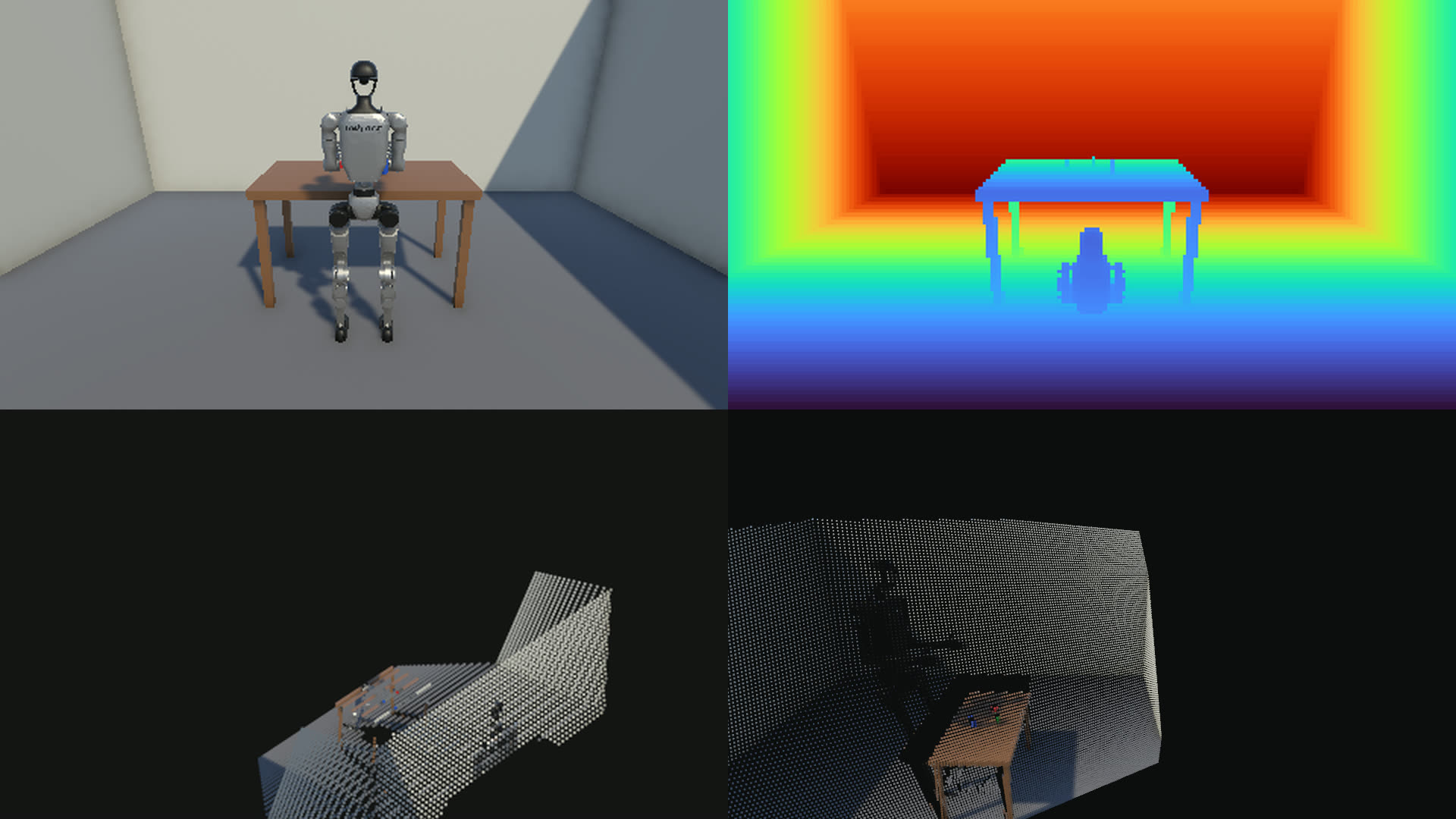
A Unity robotics simulation loop: a simulated Unitree G1 driven by NVIDIA GR00T N1.7 served from our DGX Spark, plus Meta Quest 3 teleoperation and VR point clouds.
We built a Unity simulation loop in which a simulated Unitree G1 is driven by NVIDIA GR00T N1.7, a vision-language-action model served from our DGX Spark. We recorded scripted demonstrations in Unity, fine-tuned GR00T on the Spark, and served the fine-tuned policy back into the same sim — early-stage results, but the record, fine-tune and serve loop closes. Alongside it, QuestTeleop turns a Meta Quest 3 into a hand- and head-tracking controller for simulated humanoids and Reachy Mini, and simulated depth streams into a VR point cloud. It's all documented in a 20-chapter workbook, Teaching a Robot to Take Instructions.
Regolith: Lunar Hazard Segmentation from Synthetic Data
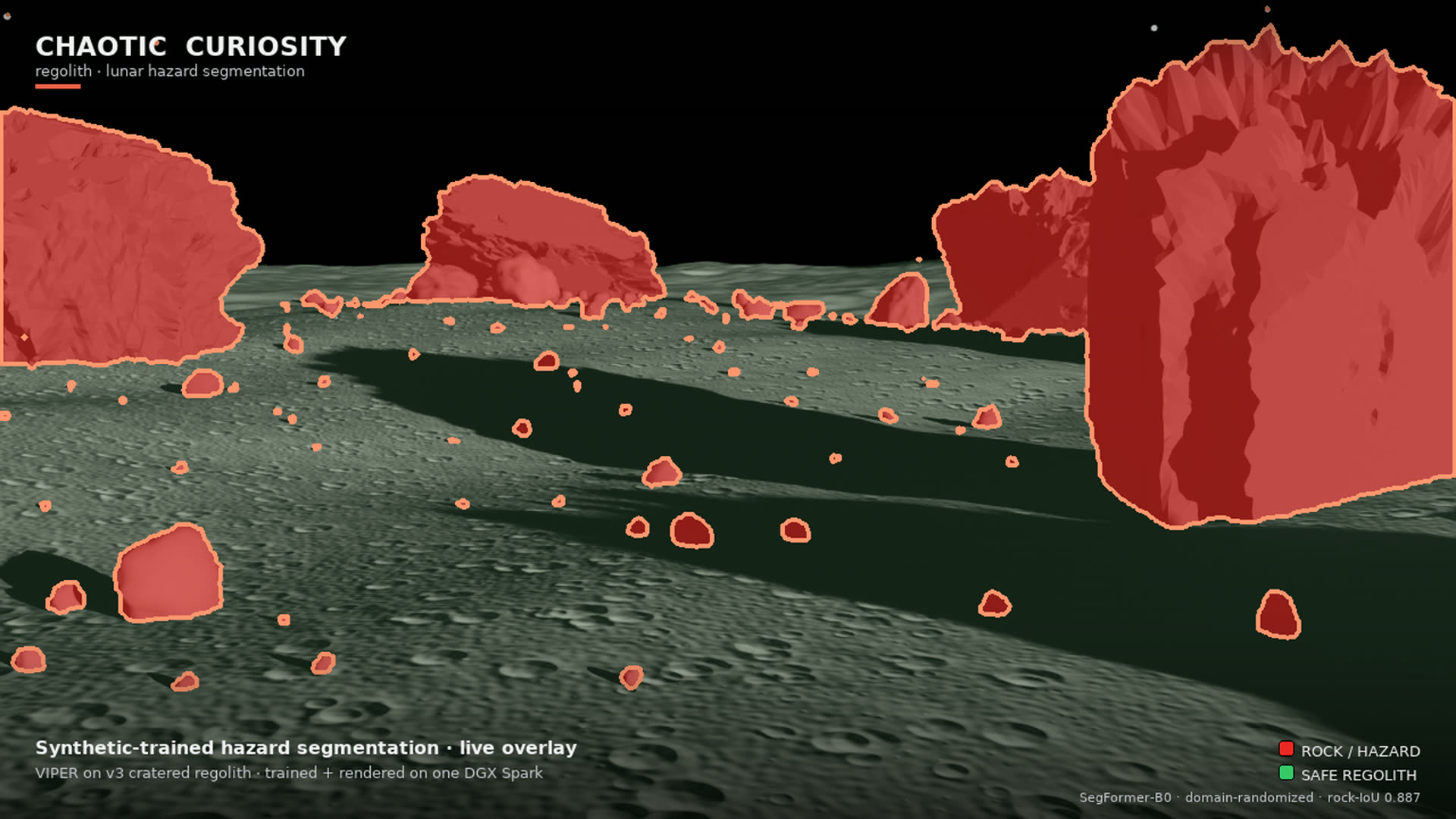
Randomized lunar scenes generated with NVIDIA Omniverse Replicator and OpenUSD on a DGX Spark, used to train a rock-hazard segmentation model on 100% synthetic data.
Regolith uses NVIDIA Omniverse Replicator, running headless inside Isaac Sim 6.0, with OpenUSD to generate randomized lunar scenes on our DGX Spark — 2,550 labeled images per build, with domain-randomized lighting, materials and camera. A SegFormer-B0 trained only on that synthetic data reaches 0.956 mIoU and 0.887 rock-IoU on the synthetic test set. We then ran it on 21 real NASA Apollo and Surveyor photographs as a qualitative check; those photos have no ground-truth labels, so the real-world results are inspection, not a score. The rover in the renders is a VIPER-style model we built ourselves. The project is written up as an 8-chapter series.
Teaching a Humanoid to Move (Unitree G1 RL)
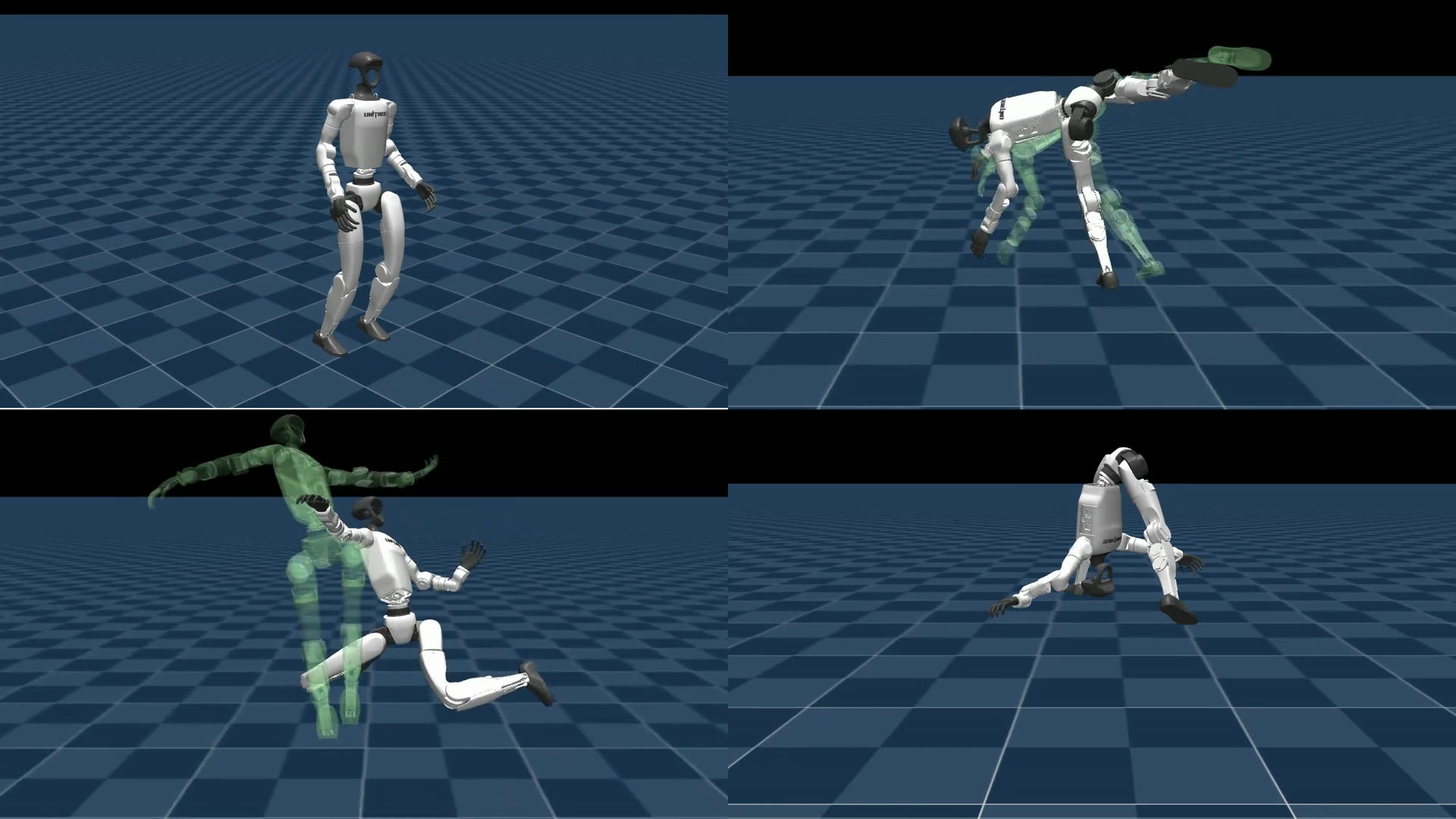
Reinforcement learning on a simulated Unitree G1 — walking, a cartwheel, a backflip and getting up from a fall — trained on our NVIDIA DGX Spark and written up as a 15-chapter guide.
We trained a simulated Unitree G1 humanoid with reinforcement learning in mjlab (MuJoCo-Warp) on our NVIDIA DGX Spark. The walking policy learned velocity tracking at about 1 m/s, reaching a mean reward of 50.5 and lasting 995 of 1,000 steps per episode. Motion imitation produced a cartwheel and a backflip, and getting up from a fall is a custom task we built from scratch. We tried running too — it didn't work, and we kept it in as a lesson in reward hacking. The whole arc is published as a 15-chapter, zero-background guide. Simulation only; no real hardware.
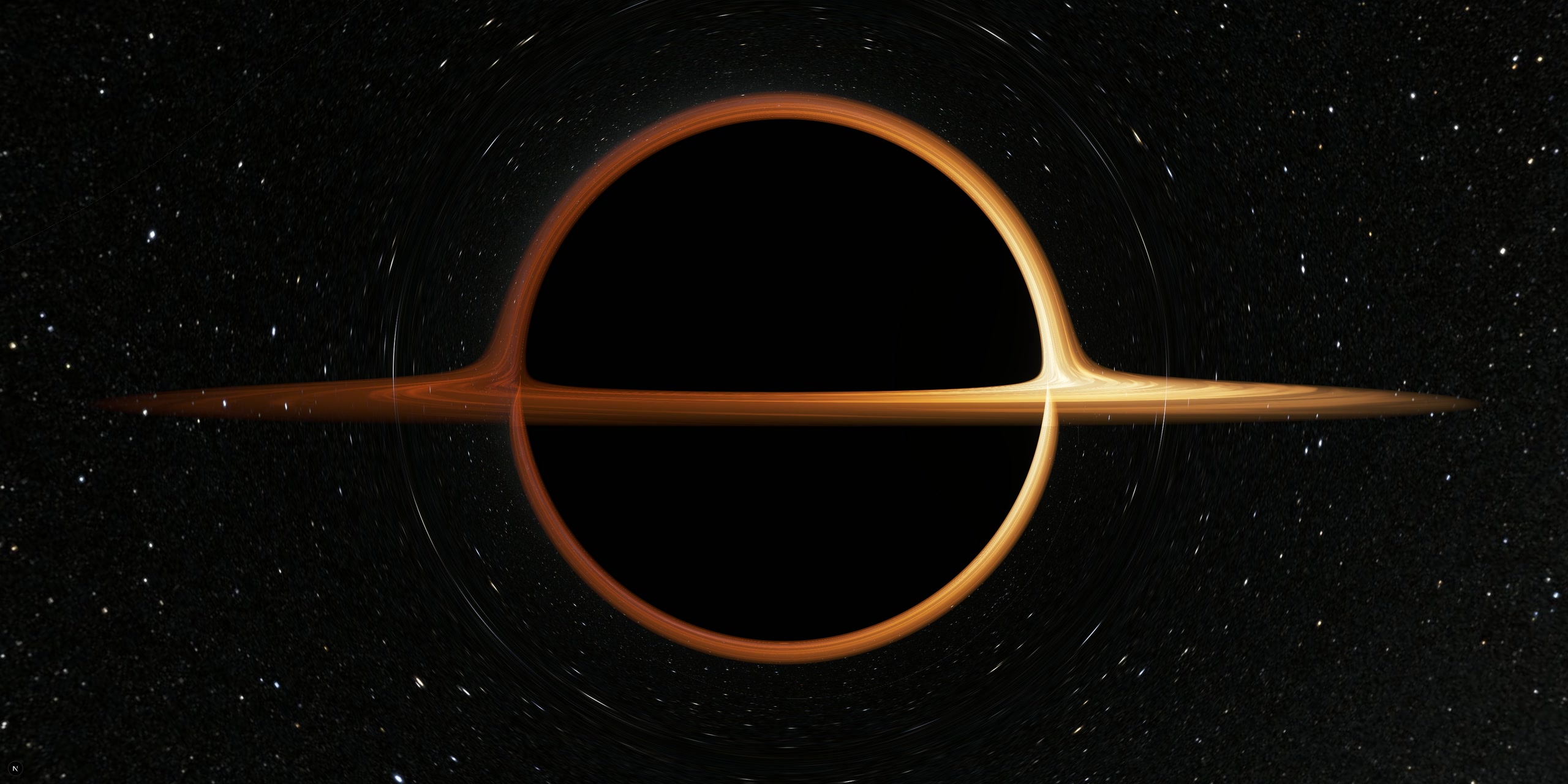
Falling Into a Black Hole
How the live, light-bending black hole behind our home page is built — real gravitational physics, ray-traced in your browser as you scroll.
The backdrop on our home page isn't a video loop — it's a black hole rendered live, one bent light ray at a time. Here's how it works, and why it looks the way it does.
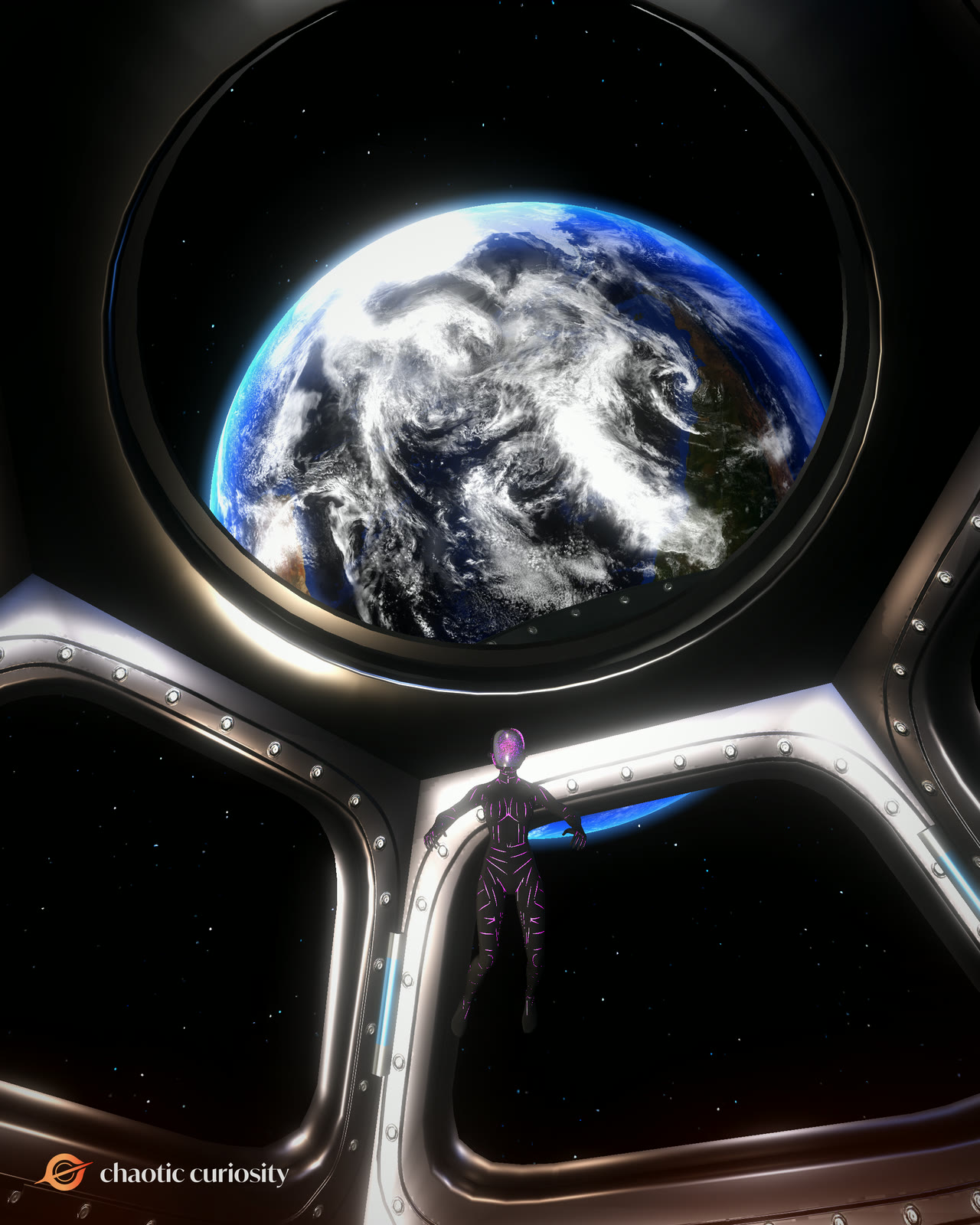
Afrobotica, the Earthlight Historian
A live, offline-first conversational AI character — the pre-show to the Museum of Science's planetarium production Earthlight World: An Astronaut's Journey.
Afrobotica is a live conversational AI character who listens, thinks, and speaks under a full planetarium dome — the pre-show to the Museum of Science (Boston) production Earthlight World: An Astronaut's Journey. Built around artist-astronaut Dr. Sian Proctor's vision, she runs almost entirely offline on a single workstation, turning a microphone, a local language model, and a real-time dome render into an unscripted conversation about Earth, space, and who gets to go.
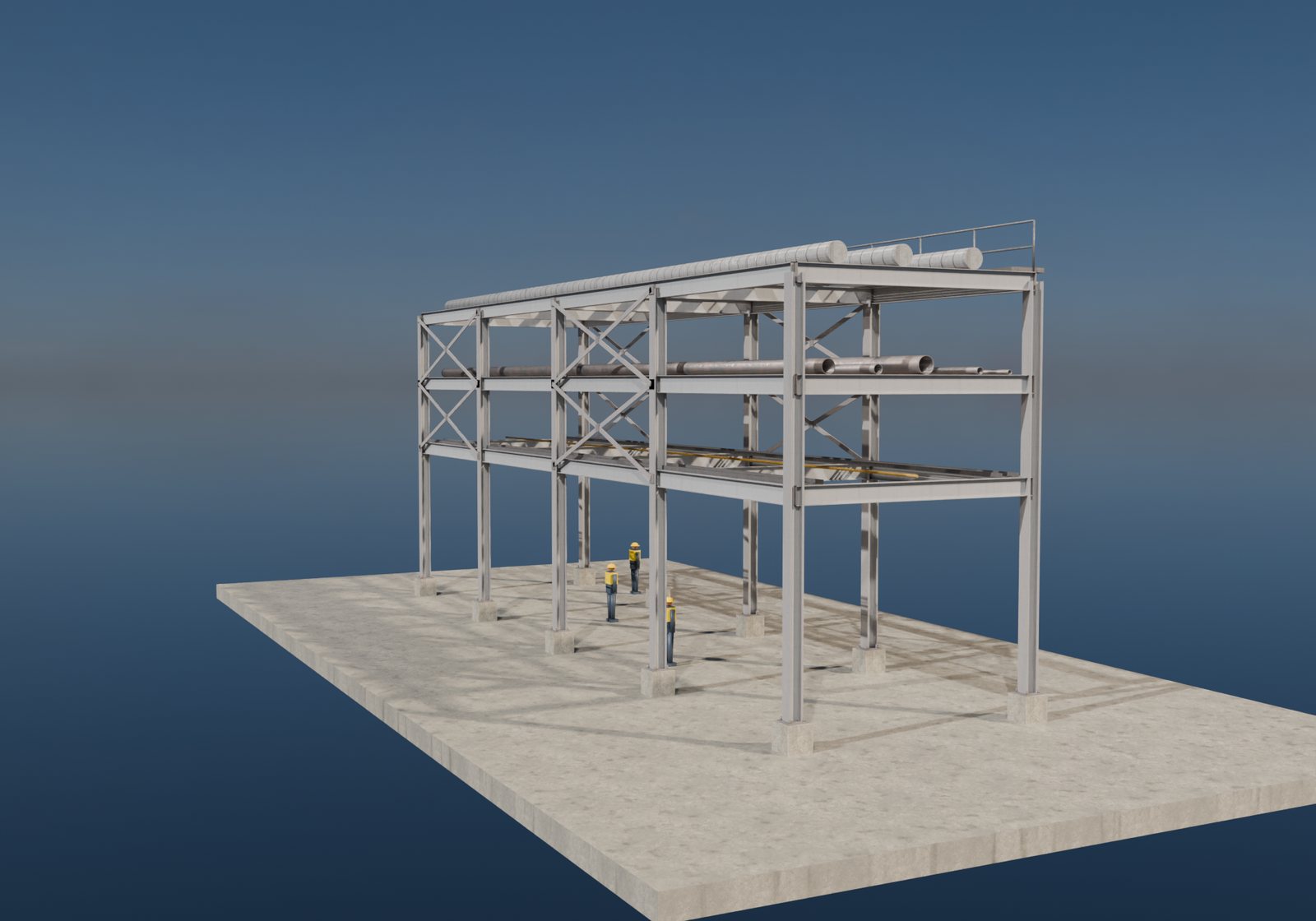
Kiewit — 3D Worlds for VR Rigging-Safety Training
We supported ASU's Mesh Labs and Dreamscape teams in Kiewit's investigation of VR for construction-site safety training, building the 3D: rigging scenes rebuilt from site photos and a procedural Blender toolkit that generates whole pipe-rack sites for Unity.
Kiewit wanted to know whether virtual reality could teach rigging safety: how a load is slung and hooked before a lift, and how to spot a rig that is about to fail. chaotic curiosity supported Arizona State University's Mesh Labs and Dreamscape teams on that investigation, and our part was the 3D. We rebuilt rigging scenes from real site photos so a scenario can show correct practice or a planted fault, and we built the Industrial Kit: a Blender add-on with 26 parametric generators (steel, piping, access and equipment) that assembles a to-scale industrial pipe-rack site in minutes, bakes realistic materials, and exports straight into Unity. An OpenAI vision pass over the reference photos and video seeded the kit's real-world dimensions and colours.
PhLEx Studio — Physics Lab Assessment Platform
An AI-powered platform that transforms how students learn physics by replacing traditional lab reports with real-time Socratic dialogue, helping them build genuine conceptual understanding.
PhLEx Studio reimagines physics lab education. Instead of filling out worksheets and writing reports, students engage with a Socratic AI tutor that asks the right questions at the right time — guiding them to discover concepts on their own. The platform gives instructors clear visibility into where students are struggling, replacing guesswork with insight.
Space Grid AI — Intelligent Shipyard Logistics
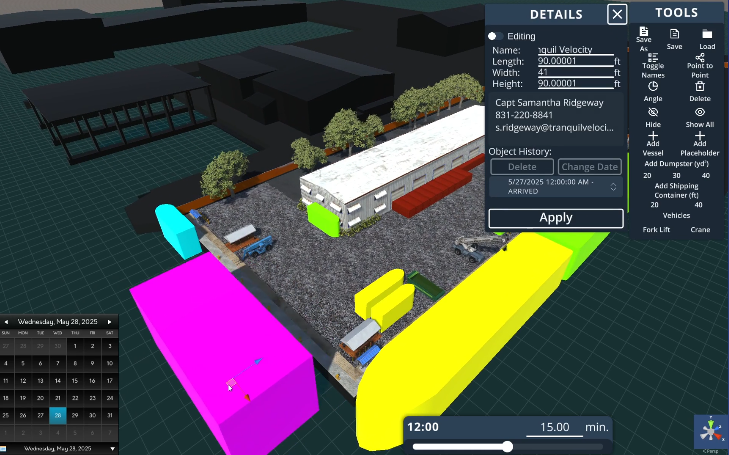
Consulting partnership with Space Grid AI to architect an AI-native logistics platform that brings intelligent scheduling and resource optimization to shipyard operations.
chaotic curiosity serves as a consulting partner to Space Grid AI, helping architect their AI-native logistics platform for shipyard operations. The system brings intelligent scheduling and resource optimization to complex multi-vessel maintenance workflows, turning operational data into smarter plans with every iteration.
Embodied Games Lab — Immersive Experience Consulting
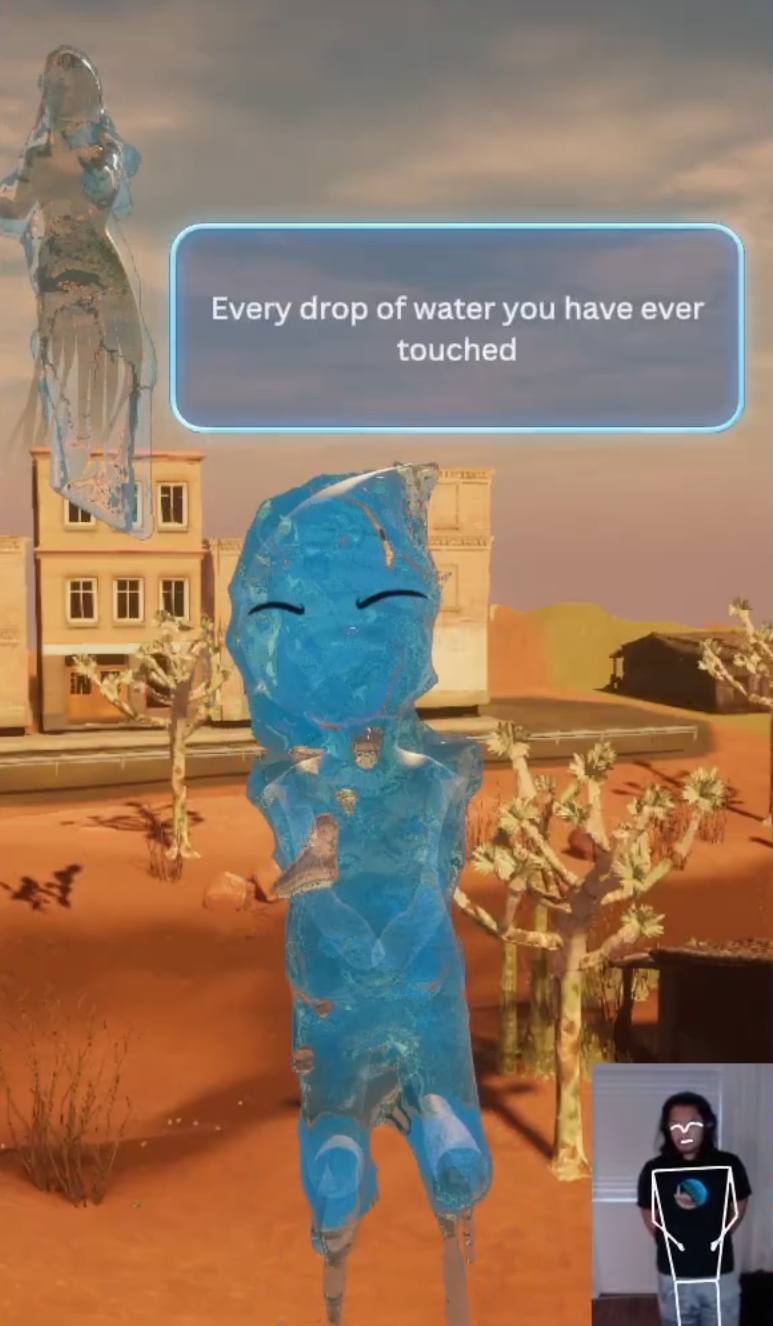
Consulting partnership with Dr. Mina Johnson-Glenberg's Embodied Games Lab at ASU, developing immersive experiences including audio production, QA, and novel VR prototypes.
An ongoing collaboration with the Embodied Games Lab at Arizona State University, led by Dr. Mina Johnson-Glenberg. chaotic curiosity consults on immersive experience development — from audio design and QA on the educational game Being Water, to working with lab students on novel experiences like a VR swimming simulator. The partnership bridges industry expertise with academic research in embodied learning.
Poovadland Lab — Construction Automation Research
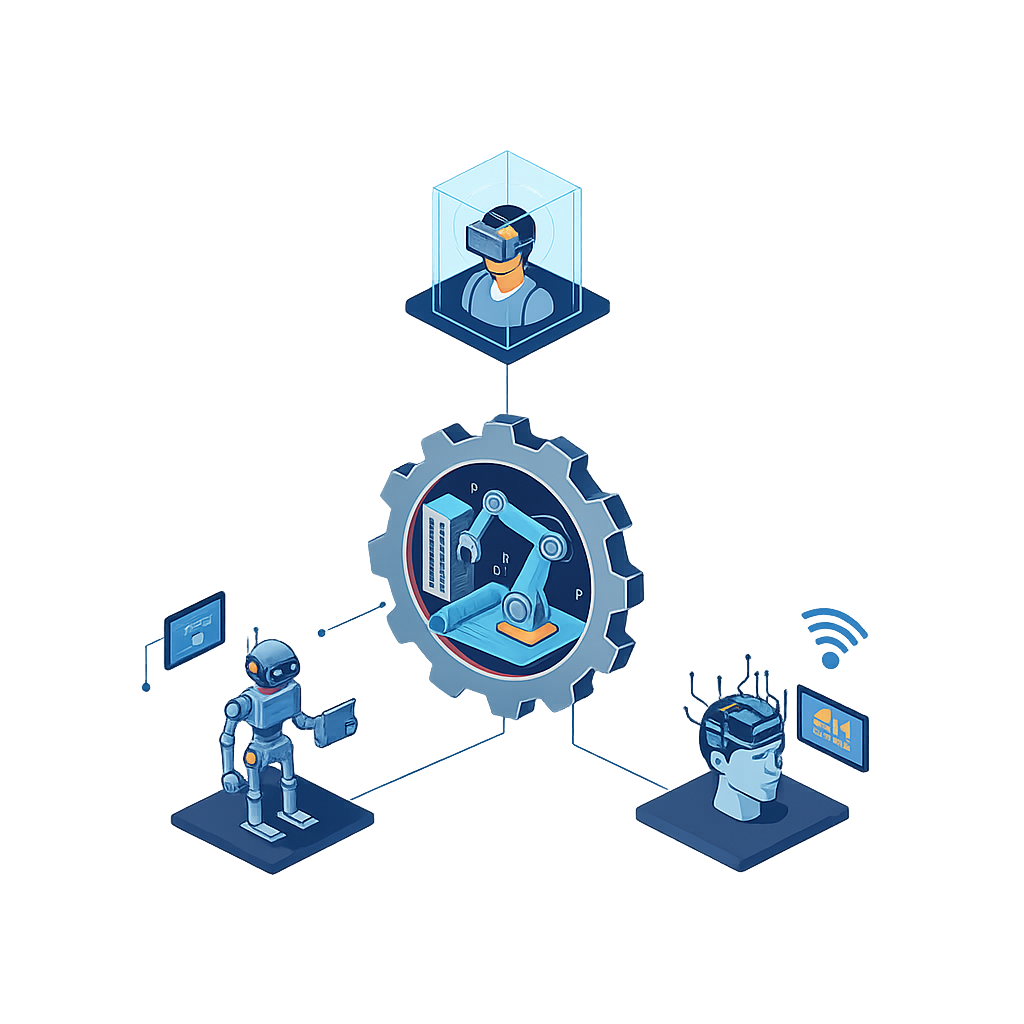
Applied research in XR, AI, robotics, and brain-computer interfaces for construction automation, conducted in collaboration with Arizona State University.
An ongoing applied research collaboration with Dr. Shiva Poovadland's lab at Arizona State University, exploring the intersection of extended reality, artificial intelligence, robotics, and brain-computer interfaces for construction automation. The work spans multiple studies advancing how emerging technologies can transform the built environment.